Oman has dozens of companies that sell, install or design solar systems, and they are not all the same. Some only sell panels and inverters, some install, and a few also handle the engineering, the Nama application and maintenance for the life of the system. This guide explains the types of solar companies in Oman, the checks that separate a reliable one from a risky one, and the questions to ask before you sign.
Types of Solar Companies in Oman
Before comparing names, decide which kind of company your project needs. Most solar businesses in Oman fall into one of these groups:
- Equipment shops and traders: sell panels, inverters, batteries and cables. Good for buying parts, but they usually do not design the system or apply to Nama for you.
- Installers: mount and wire the system. Quality depends heavily on the team on site and on who did the design.
- EPC contractors: handle engineering, procurement and construction under one contract, from design to commissioning.
- Consultants and PMC firms: carry out feasibility studies, review designs, supervise contractors and protect the owner’s interests on larger projects.
- O&M providers: clean, monitor and maintain systems after installation.
For a home or a small shop, a qualified installer or EPC contractor is usually enough. For a factory, a farm, a hotel or a multi-site project, it pays to involve a consultant or an EPC contractor that also offers project management.
Why Choosing the Right Company Matters
A solar system works for 25 years or more, so mistakes made in the first weeks are paid for over decades. The most common problems we see in Oman are:
- Systems sized larger than Nama allows, which are then rejected or must be redesigned.
- Equipment that is not on the DCRP approved product lists.
- Weak mounting structures that are not designed for Oman’s wind and heat.
- No plan for cleaning, so dust cuts the output month after month.
- Installers who disappear after handover, leaving no one to honour warranties.
7 Checks Before You Hire a Solar Company in Oman
1. DCRP registration
The Distribution Code Review Panel (DCRP) registers the contractors, consultants and products allowed to work on the Nama Distribution network. Ask for the company’s DCRP certificate and grade. AL-DHAW is DCRP S2 certified. Read more about DCRP and Nama approval.
2. Experience with Nama applications
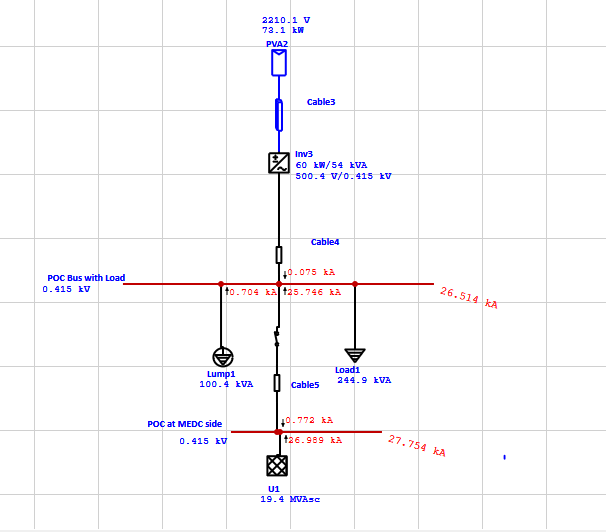
Every on-grid system must be approved and checked by Nama before connection. Ask who prepares the application, the drawings and the single-line diagram, and how many systems the company has already connected.
3. Correct sizing under the grid-connection rules
A good company sizes the system to your consumption and to the current Nama limits, not to the largest number of panels it can sell. Ask to see how the size was calculated. You can get a first estimate from our solar calculator.
4. Equipment quality and approved products
Ask for the exact panel and inverter models, their datasheets and warranties, and confirm they are on the DCRP approved product lists. Tier-1 equipment costs a little more but performs better in Oman’s heat.
5. Real projects you can check
Ask for a project list with sizes, locations and client types, and visit or call at least one past client. A company with a real track record will share it. See AL-DHAW’s projects.
6. A clear, itemised quotation
The quote should list equipment, structure, cabling, protection, monitoring, approvals, installation, testing and handover separately. Vague lump sums make it hard to compare offers and easy to cut corners. Our solar installation cost guide explains what each part costs.
7. After-sales support
Ask who cleans, monitors and repairs the system after handover, how fast they respond, and whether they will maintain a system installed by another company. Read about solar O&M services in Oman.
Questions to Ask Every Solar Company
- What is your DCRP grade, and can I see the certificate?
- Who prepares and submits the Nama application?
- How did you calculate the system size for my building?
- Which panel and inverter models will you use, and are they DCRP approved?
- What is the yearly generation estimate, and how was it simulated?
- What warranties apply to panels, inverters and workmanship?
- Who maintains the system after handover, and at what cost?
- Can I speak to two clients with systems like mine?
On-Grid, Off-Grid or Hybrid?
On-grid systems connect to the Nama network and are the usual choice for homes, offices and factories that already have grid power. Nama approves only on-grid systems for connection to its network. Off-grid and hybrid systems with batteries are designed for sites without the Nama network, such as farms and remote facilities. A good company will tell you which type your site can use before quoting.
Why Businesses Choose AL-DHAW
- DCRP S2 certified and based in Ghala, Muscat, serving all of Oman.
- 20 MW+ of solar consultancy and project management since 2018.
- One team for every stage: consultancy, EPC installation, PMC, Nama approval and O&M.
- Solar leasing for businesses that prefer no upfront cost. See solar leasing in Oman.
Frequently Asked Questions
How many solar companies are there in Oman?
There are dozens, from small equipment shops to large EPC contractors. Far fewer are DCRP registered and experienced with Nama grid connections, which is the first filter for any on-grid project.
Do I need a DCRP-certified company to install solar in Oman?
For a system connected to the Nama network, the work must be done by a company registered with DCRP and with DCRP-approved products. Always ask for the certificate before signing.
Who applies to Nama for my solar connection?
A full-service solar company prepares and submits the Nama application, coordinates the inspection and handles any comments until the system is connected. AL-DHAW does this for every on-grid project.
How long does a solar project take in Oman?
Installation itself is short, but approvals often take longer than the work on site. Most commercial projects take a few months from signed contract to commissioning.
Can a solar company maintain a system it did not install?
Yes. AL-DHAW starts with a full inspection and performance baseline, then takes over cleaning, monitoring and maintenance.
Talk to a DCRP-Certified Solar Company
Tell us about your building and your electricity bills, and our engineers will recommend the right system and the next step. Contact AL-DHAW or calculate your solar potential in under a minute.