Introduction
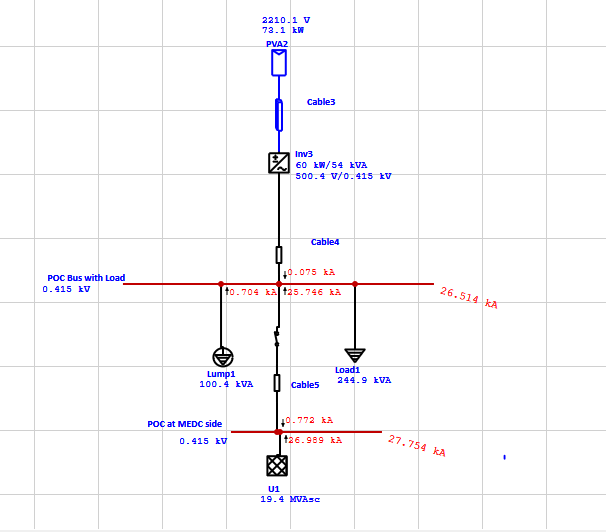
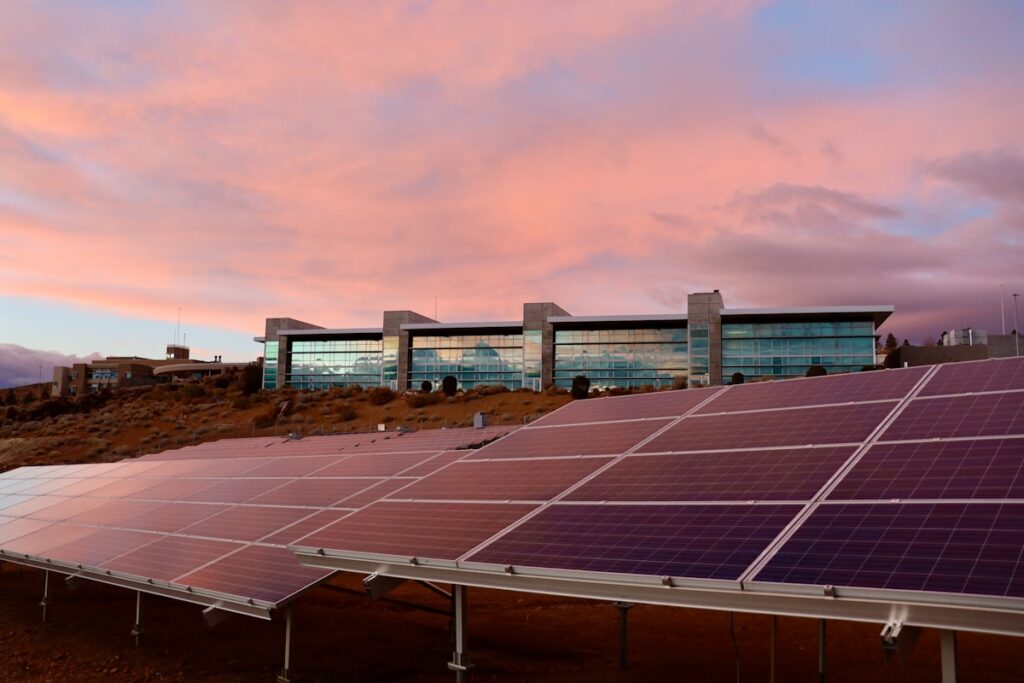
Omani businesses are increasingly adopting solar PV systems to reduce operational costs and achieve sustainability goals. With falling global panel prices and a supportive regulatory framework, solar energy has become a strategic investment for the commercial and industrial sectors.
Regulatory Bodies in Oman
Any grid-connected solar system in Oman involves two key entities:
- Authority for Public Services Regulation (APSR) – sets policies and technical standards
- Nama Distribution Company – processes applications, installs meters, connects systems
Nama covers: Muscat, Ad Dakhiliyah, Ad Dhahirah, Al Buraimi, North and South Al Batinah, North and South Ash Sharqiyah. For Dhofar, the responsible entity is Dhofar Distribution Company.
Key Components of a Commercial Solar System
1. Solar Panels
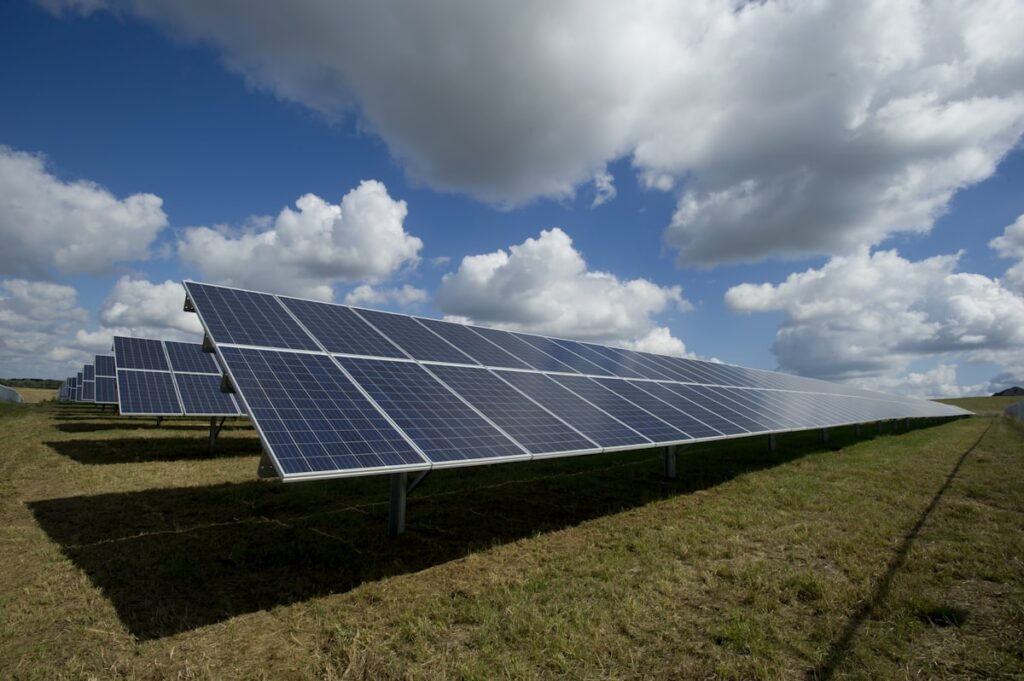
Top brands available in Oman: Jinko Solar (market leader), Longi Solar, Trina Solar, and JA Solar. Each offers different efficiency ratings, warranties, and heat tolerance.
2. Inverters
Best options: Huawei SUN2000 (most popular), Sungrow, and Fronius. The inverter converts DC power from panels into AC power for your facility.
Maximum Allowed System Size
Nama Distribution Company specifies that the maximum solar PV system capacity is 50% of the customer total annual consumption, determined through an official consumption study – not a manual calculation.
The Process:
- Submit for consultation – engineer visits site and analyzes bills
- Apply to Nama with technical design
- Nama studies actual consumption (last 12 months)
- Nama determines maximum allowed capacity (50% of study result)
- Install system per Nama approved capacity
Metering and Billing
- Main meter: The existing electricity meter stays as-is for grid consumption
- Solar production meter: Comes with the project, installed by the solar company
- Billing: Nama calculates the difference between the two meter readings and bills on net consumption
Tariff
Energy exported to the grid is credited according to the tariff set by APSR. Check the current rules with Nama before you size the system, because the best savings come from using your solar power on site.
Nama Application Process
- Engineering consultation: Site visit, 12-month bill analysis, verify under 50%
- Technical design: PVsyst design, panel count, inverter selection
- Submit to Nama: Application with design, bill, and commercial registration
- Nama review: Technical review in 10-15 working days, preliminary approval
- Installation: By authorized contractor – do NOT install before approval
- Inspection and connection: Nama engineers inspect, connect to grid
Commercial and Industrial Solar Solutions from AL-DHAW
AL-DHAW is a DCRP S2 certified solar company based in Muscat, with more than 20 MW of solar consultancy and project management delivered across Oman. For factories, warehouses, offices, hotels and schools we provide:
- Turnkey delivery: our solar EPC team designs, supplies and installs the commercial solar system and submits the application to Nama.
- No upfront cost option: with solar leasing, an investor funds the system and you pay a fixed rent.
- Commercial solar installation in Muscat: a local team for sites across Muscat Governorate.
- Quick estimate: the solar calculator shows the system size and 25-year saving for your roof.
Contact AL-DHAW for a site assessment of your facility.
Frequently Asked Questions
How do I calculate my maximum allowed capacity?
Nama official study is what matters. Your engineer provides a preliminary design and Nama determines the final capacity.
Do I need Nama approval before installation?
Yes – approval must be obtained before any installation work begins.
How long does Nama approval take?
Typically 10-15 working days from complete application submission.
Conclusion
The solar connection process in Oman is now clearly regulated through APSR policies and implemented by Nama Distribution Company.
AL-DHAW Sustainability Energy – Solar energy consulting and solutions for businesses in Oman